A Cinematic, Strategic & Psychological Breakdown of Whiteout Survival’s First True Power Shift
There is a strange moment in Whiteout Survival that no tutorial ever warns you about.
Your city still looks the same. Your Furnace still burns the same coal. Your army still marches across the same frozen land.
And yet… the game suddenly feels different.
Not louder. Not flashier. Just heavier.
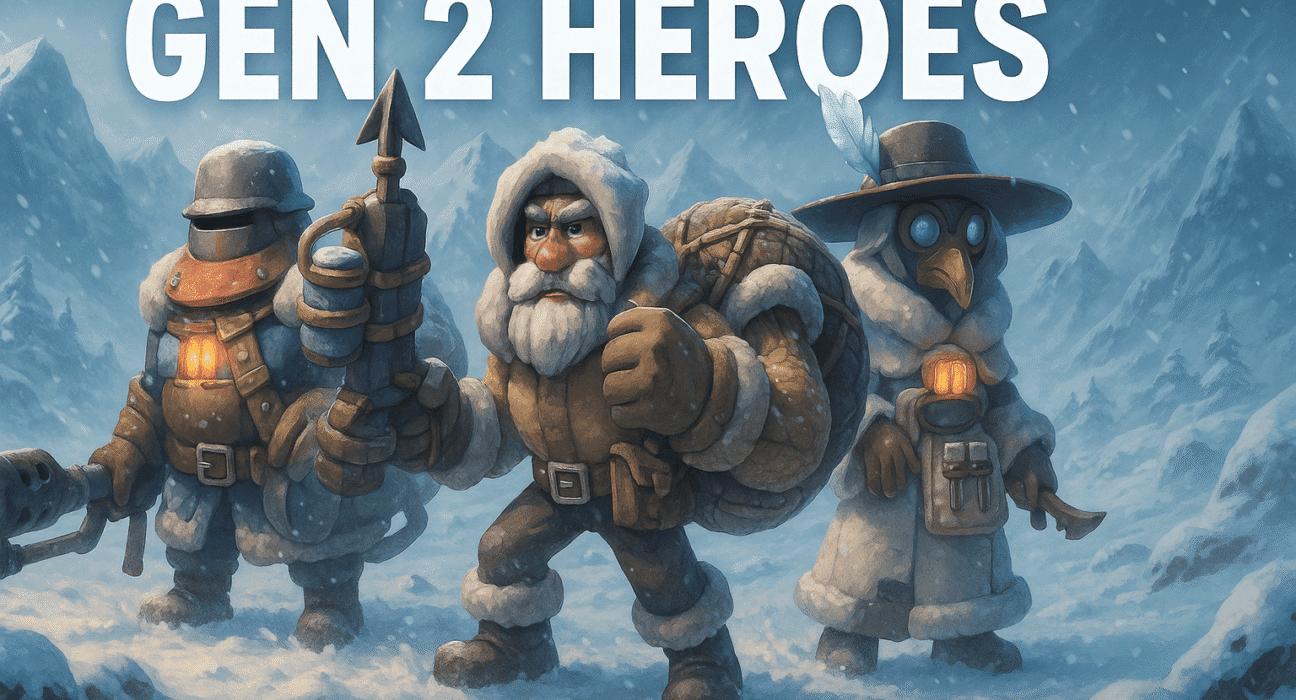
That’s the moment Gen 2 heroes arrive. And once that door opens, you never play the same way again.
❄️ Before Gen 2: The Age of Survival
Before Gen 2, the game is forgiving.
You experiment.
You misclick.
You invest in the wrong hero.
You recover.
Power grows linearly:
- More Furnace = more strength
- More troops = more safety
- More time = more wins
Gen 1 Heroes feel like tools. Losses feel temporary. Progress feels guaranteed, just delayed.
Then Gen 2 opens, and suddenly, standing still becomes dangerous.
🔥 Flint – The Hero That Teaches the Game to Kill Faster
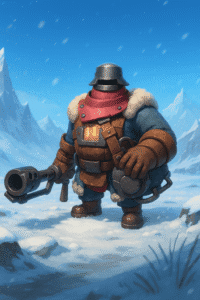
Flint is the first Gen 2 hero most players truly feel immediately.
He is not just an Infantry frontline. He is a damage amplifier disguised as a tank.
What Flint Actually Does in Combat?
- His flamethrower-based primary expedition skill deals continuous damage in short rapid ticks
- More importantly, his attacks increase the damage enemies receive for a short window
- When his HP drops critically, he self-recovers a large portion of health once per battle
- He also provides a global ally attack speed buff
What This Changes in Real Gameplay?
Before Flint:
- Frontlines absorb damage
- Backlines slowly burn enemies down
After Flint:
- Frontlines open kill windows
- Backlines suddenly feel stronger without upgrading
- Expeditions clear faster
- Stamina becomes more efficient
- Event point farming accelerates
This single hero introduces damage-phase combat into Whiteout Survival.
You stop waiting for wins. You start forcing them early.
Alonso – The Hero That Destroys the Single-Target Meta
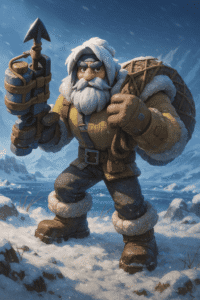
Alonso is the first Gen 2 hero that rewires how battles are structured.
Before him, most teams are built like this:
- One main damage dealer
- One tank
- One sustain unit
Alonso deletes that idea.
What Alonso Is Actually Built For?
- This Gen 2 hero specializes in multi-target disruption
- His expedition skills punish enemy clusters and formations
- His kit shines most when enemies group, which happens constantly in:
- Rallies
- SVS
- Arena formations
- Expedition waves
What Alonso Changes Strategically?
- Single-target nuking becomes less dominant
- Formation matters more than raw power
- Rally coordination becomes mandatory, not optional
- Tank stacking becomes riskier than before
Alonso marks the shift from:
“My hero is strong”
to
“My formation is stronger than yours”
That is a late-game war mentality, introduced early.
🫀 Philly – The Healer/Supporter That Teaches the Game to Last
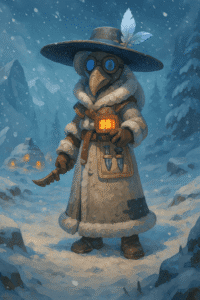
Philly never feels explosive, and that’s exactly why she is dangerous.
She is a sustain meta hero.
Where Flint accelerates battles… And Alonso reshapes them…
Philly helps to stand army with her healing ability in intense battles.
What Philly Brings to the Battle Field?
- Rally stability
- Healing of troops and heroes
- Resource survival
- Extended event endurance
- Long-term alliance pressure control
- She doesn’t win battles quickly.
She makes sure:
- You don’t burn out strategically
- You don’t vanish from rankings
This is why many long-term competitive alliances keep Philly in rotation even when flashier heroes appear.
Why Power Stops Being Linear?
Gen 2 and Gen 2 heroes introduces non-linear power.
Before:
- Power rises evenly across the server
After:
- Small hero differences create huge performance gaps
- One wrong lineup causes weeks of underperformance
- One right hero accelerates everything
This is why players suddenly say:
“I didn’t get weaker… but I lose faster.”
Because Gen 2 introduces:
- Damage amplification
- Formation control
- Sustain viability
- Burst-phase timing
These are multipliers, not flat stats.
What Changes Across Game Modes?
Expeditions
- Burst replaces sustain
- Flint dominates early wave clearing
- Alonso deletes clustered elite waves
- Time-to-clear becomes the new victory condition
Arena
- Formations outperform hero worship
- Control beats brute force
- Mis-positioning becomes fatal
SVS & Rallies
- Solo carries become unreliable
- Coordination decides outcomes
- Sustain heroes like Philly determine long war viability
- Alonso defines mass troop deletion windows
This is where Whiteout Survival becomes a true alliance-driven war game.
So Why Does the Game Feels Heavier?
Gen 2 introduces:
- Decision pressure
- Investment anxiety
- Relevance awareness
- Meta comparison
Players stop asking:
“Is this fun?”
They start asking:
“Will this keep me competitive?”
Before Gen 2:
You play for growth.
After Gen 2:
You play to avoid falling behind.
That’s why everything suddenly feels intense.
Gen 2 Punishes Stillness, Not Mistakes
Gen 2 doesn’t punish bad players. It punishes static players.
Heroes you loved feel outdated. Lineups you trusted feel slow. Strategies you built feel fragile.
Not because they’re useless, but because the ceiling moved upward.